TYPE HERE TO SEARCH

Released on Dated : May 08, 2025
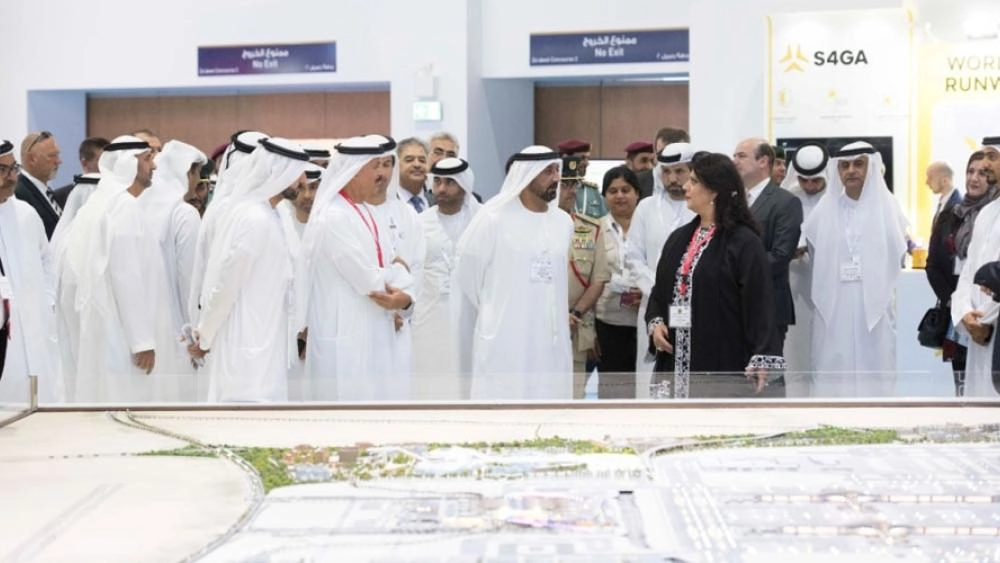
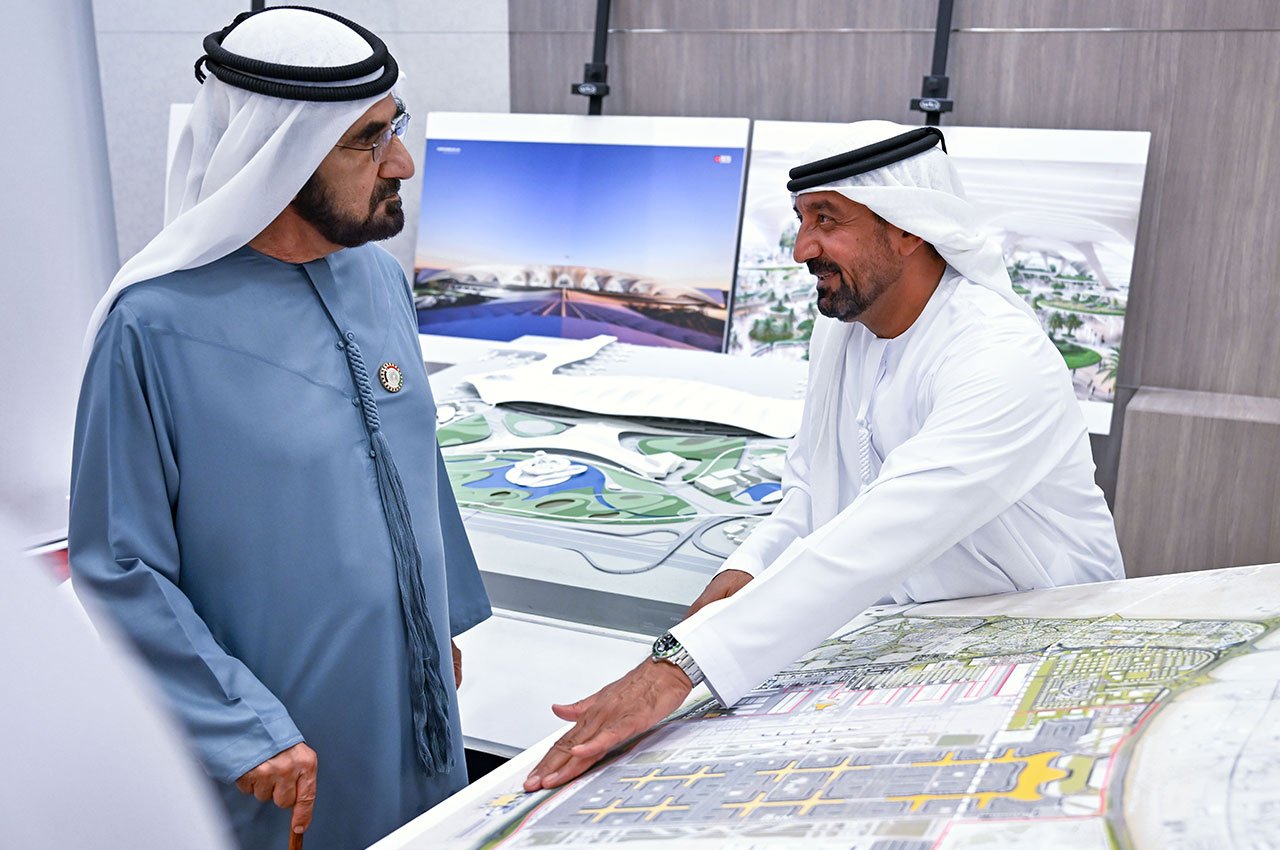
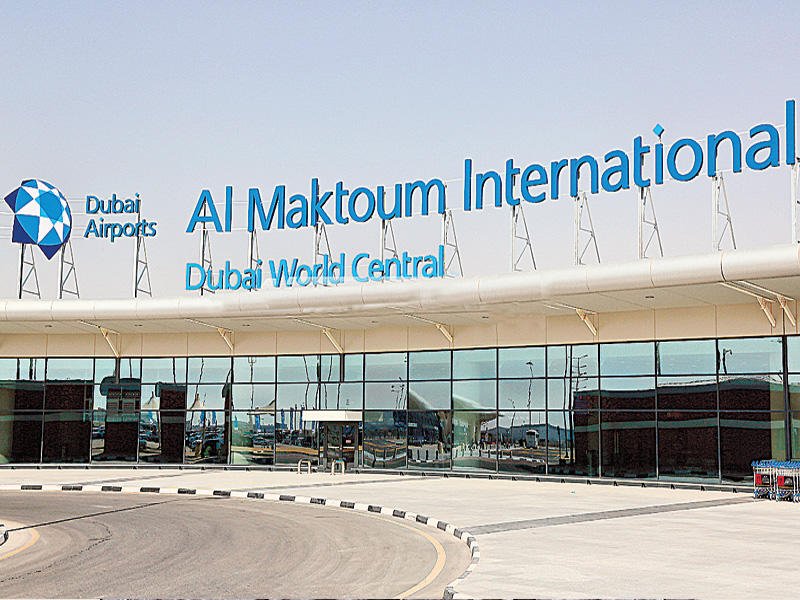
Al Zafeen said during a press conference held on the sidelines of the Airport Show in Dubai today that since the master plan for Al Maktoum International Airport was approved by His Highness Sheikh Mohammed bin Rashid Al Maktoum, Vice President, Prime Minister and Ruler of Dubai, may God protect him, in April 2024, we have begun to take decisive steps to implement this strategic national project according to the specified timetable.
He added that several key projects in the first phase of the project, such as the automated passenger transport system and the baggage handling system, are currently in the tendering stage, with contracts expected to be awarded later this year. Furthermore, tenders will soon be issued for projects such as the foundation and concrete package for the infrastructure works of the Al Maktoum International Airport expansion, the 132 kV substation project, and the central cooling plant project, paving the way for the next phase of implementation.
Al Zaffin stressed that this ambitious project is a cornerstone of Dubai’s Economic Agenda 2033, as it promotes sustainable economic growth, stimulates innovation, and contributes to enhancing Dubai’s global competitiveness in aviation and other vital sectors in the emirate.
He noted that Emirates Airline reported record revenues for 2024, reflecting the continued success and increasing growth of Dubai's aviation sector. He added that this achievement underscores the strategic importance of Al Maktoum International Airport, which will be a key factor in supporting the development of Dubai's aviation sector and boosting the emirate's broader economy, ensuring Dubai remains at the forefront of global aviation in the years to come.
He continued: “Through our close collaboration with our strategic partners in the aviation sector, and under the technical leadership of Dubai Aviation Engineering Projects, we remain fully committed to delivering Al Maktoum International Airport on schedule — to be a global gateway to the future that reflects Dubai’s leadership in the aviation sector.”
Khalifa Al Zaffin, CEO of Dubai Aviation City Corporation, stated that the first phase of the Al Maktoum International Airport expansion project has witnessed significant progress since its official announcement by the Dubai government in April 2024. This expansion aims to solidify Dubai's position as the world's largest aviation hub in terms of passenger capacity. The first phase includes the construction of a new passenger terminal and four concourses to accommodate the substantial growth in passenger numbers.
He explained that with the completion of this phase, the airport's capacity will increase to approximately 150 million passengers annually, reaching 260 million passengers and 12 million tons of cargo annually in the final phase of the project. The first phase is expected to be completed within the next ten years.
He stated that Al Maktoum International Airport is a key strategic element in Dubai's vision to solidify its global leadership in the aviation sector. Upon completion of its final phase, the airport will surpass the world's largest airports in terms of capacity, accommodating up to 260 million passengers annually.
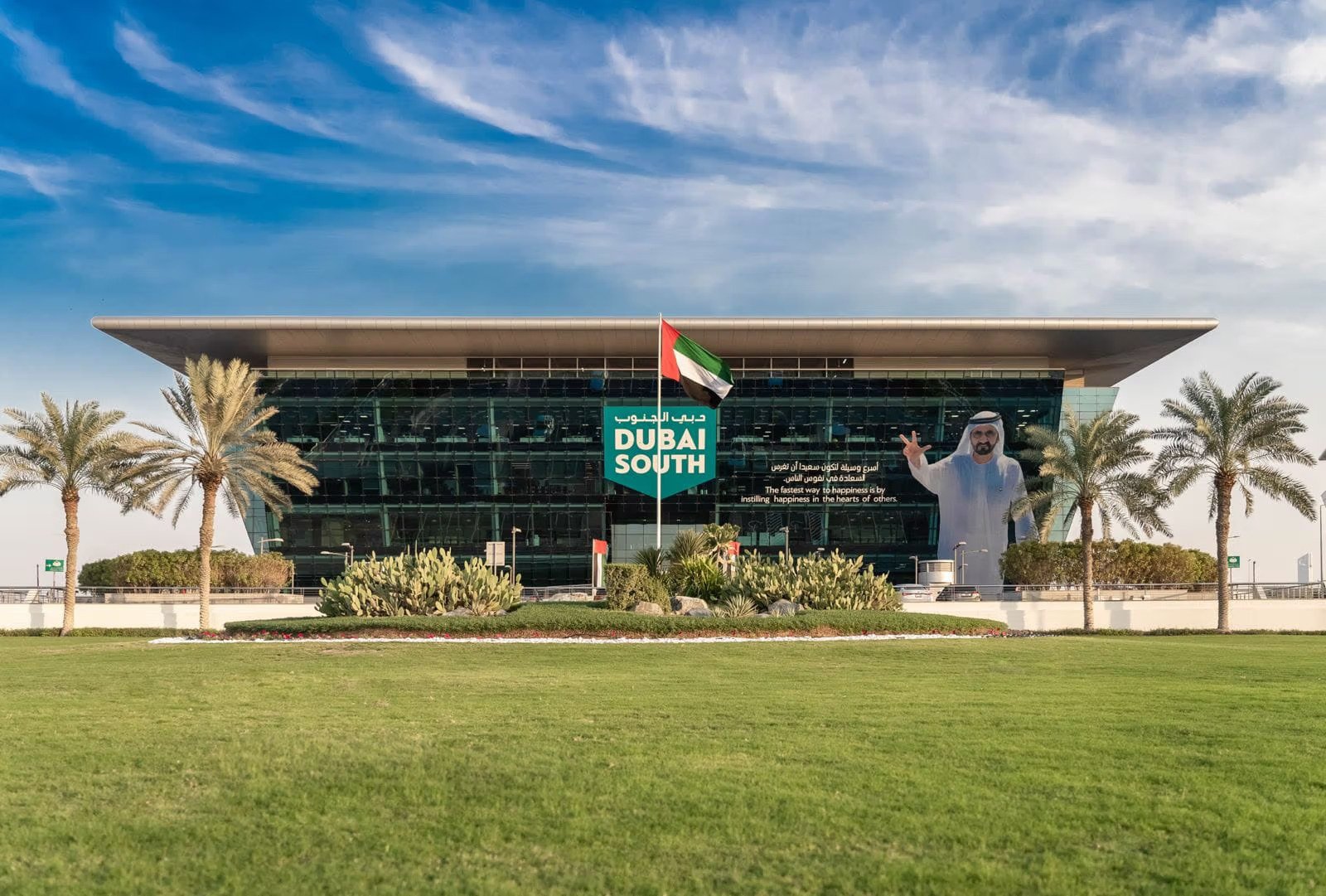
Al Zaffin added, "The airport is strategically located near Jebel Ali Port and the free zones, creating an integrated multimodal logistics platform linking air, land, and sea transport, thus enhancing Dubai's position in global trade and logistics for decades to come. The project is also expected to provide employment and housing for approximately one million people and is a key pillar in the development of Dubai South, which represents a comprehensive model for logistics cities."
He explained that the expansion of Al Maktoum International Airport is a key driver of continued growth in Dubai's aviation sector. It will provide greater capacity for flights and airlines, enhancing global connectivity and meeting the increasing demand for air travel.
The project is also in line with the pillars of economic growth set out by Dubai’s D33 economic agenda, and will contribute directly to diversifying the emirate’s economy and enhancing its resilience.
He explained that by creating thousands of jobs in key sectors such as construction, aviation, logistics, real estate, tourism, and air freight, the project will support comprehensive development in Dubai. The airport's location within Dubai South will also revitalize the surrounding areas, increasing demand for hotels, hospitality services, and real estate projects, thus boosting the city's property market.
He said: “The airport will enhance Dubai’s position as a global hub for trade and tourism, and will support the growth of the hospitality sector by attracting more international visitors. It will also contribute significantly to the development of air cargo operations and strengthen Dubai’s role as a global center for supply chains and trade, thus maintaining its leading position in international trade connectivity.”
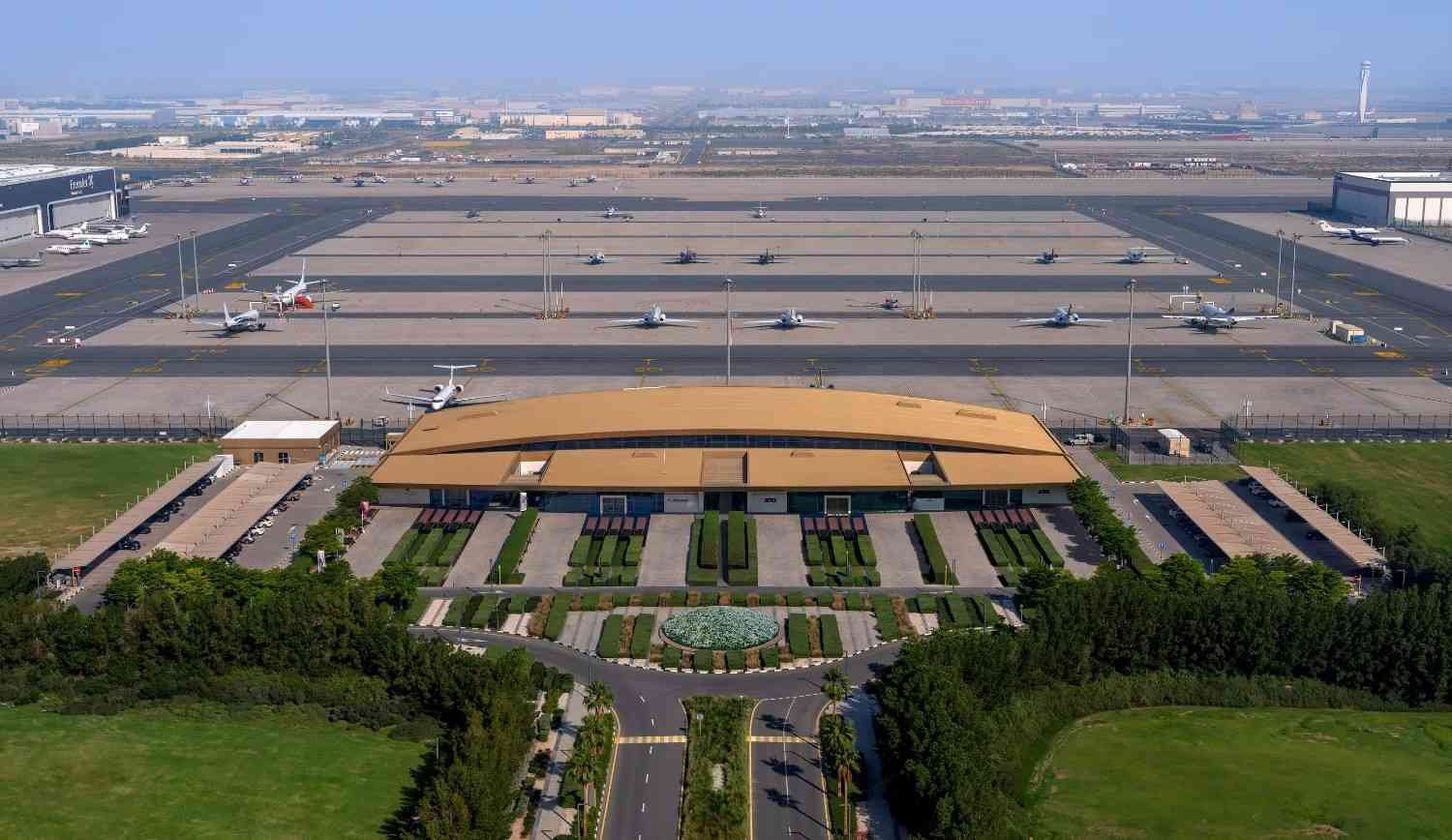
He stated that Al Maktoum International Airport spans an area of approximately 70 square kilometers — equivalent to five times the size of Dubai International Airport — and will include two passenger terminals and seven gate buildings, with more than 400 aircraft gates to meet future growth requirements.
He explained that one of the most prominent elements of the infrastructure is the automated passenger transport system, which is designed to be integrated within the airport buildings and at the access level, ensuring a smooth and highly efficient transportation experience.
Al-Zaffin added: “The airport will incorporate advanced technologies, including the use of robots for baggage handling, security screening, and maintenance, along with AI-powered systems to enhance operational performance. Biometric identification technologies, smart security systems, and automated travel procedures will also be employed to provide a seamless and efficient passenger experience.”
He explained that sustainability is a key focus in the airport's design, as it aims to obtain LEED Gold certification by implementing environmentally friendly solutions that include the use of clean energy, water conservation, and sustainable waste management, with the goal of achieving carbon neutrality and reducing environmental impact.
He said that thanks to these innovative technologies and his commitment to sustainability, Al Maktoum International Airport will be a global model in infrastructure development and passenger experience.
He explained that the transition from Dubai International Airport to Al Maktoum International Airport will be a comprehensive, simultaneous, and well-planned process, encompassing all operations. This approach aims to avoid operational challenges and ensure a seamless travel experience for passengers without any disruption. Implementing the transition in phases could complicate operations and negatively impact operational efficiency and service levels. Therefore, a complete, simultaneous transition was deemed the most suitable option from both an operational and organizational perspective.
He pointed out that the decision regarding the future of Dubai International Airport after the move to Al Maktoum International Airport rests with the government and the leadership of the emirate, which will determine the most appropriate course of action based on strategic directions and national priorities in the aviation sector.
Al Zaffin said: “We are currently working on implementing a set of effective initiatives to address traffic congestion on Dubai Airport Road until the move to Al Maktoum International Airport. These initiatives include operational and technical measures, in full coordination with the Roads and Transport Authority in Dubai and other partners. A package of immediate and medium-term solutions has been agreed upon to significantly reduce congestion.”
He stated that all immediate solutions have already been implemented and have contributed to improved traffic flow. A number of medium-term solutions have also been adopted and will be implemented soon, with their positive impact becoming apparent in the coming period. We will continue to monitor the traffic situation jointly with the Roads and Transport Authority and will take the necessary measures in a timely manner, within the framework of a comprehensive strategy to ensure easy access to Dubai International Airport.

 Accessibility